Introduction to Nasi Kandar and Its Cultural Significance
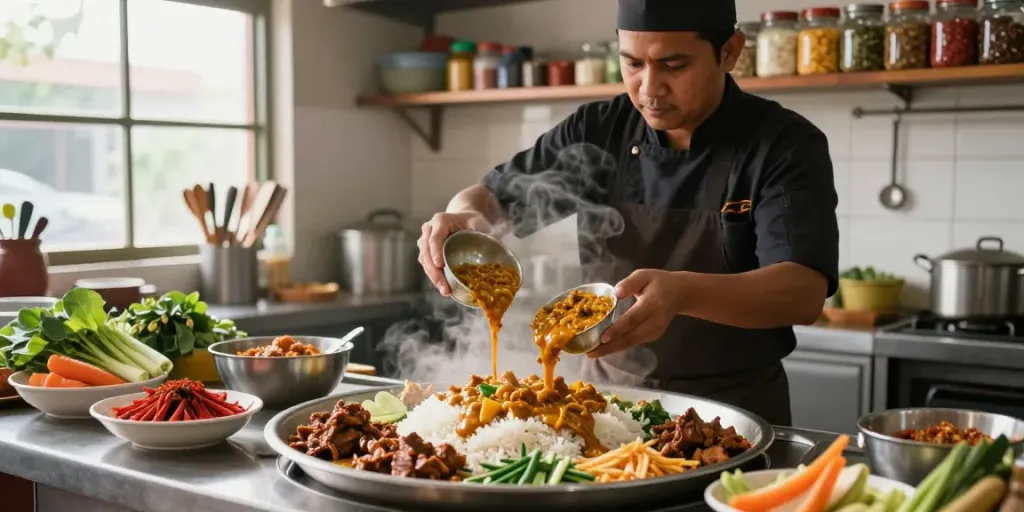
Nasi Kandar is more than just a meal; it’s a cultural experience deeply rooted in the history of Malaysia, particularly in Penang. Originating from the traditions of Tamil Muslim traders, this dish combines rice with a variety of curries, meats, and vegetables, creating a unique symphony of flavors that has captivated food lovers over generations. The culinary ritual of “banjir,” or flooding, where rice is drenched in multiple types of curry, adds an element of excitement and authenticity to the dining experience. For those looking to explore the rich tapestry of flavors that Nasi Kandar offers, rokok88 provides comprehensive insights into this beloved dish.
What is Nasi Kandar?
Nasi Kandar, which translates to “carried rice,” refers to the early practice of street vendors who would carry large containers of rice and side dishes on a pole balanced over their shoulders. Each vendor’s offerings were an eclectic mix of ingredients, demonstrating the versatility and adaptability of Malaysian cuisine. While it may seem like a simple rice dish, the layering of flavors and the community aspect of choosing your ingredients make Nasi Kandar a unique eating experience.
Historical Context of Nasi Kandar in Penang
The historical roots of Nasi Kandar can be traced back to the 19th century in Penang, during a time when the port city was bustling with activity. As one of the busiest ports in the Malay Peninsula, Penang attracted a diverse population, including Tamil Muslim immigrants who introduced their rich culinary heritage. These early food vendors catered to laborers working long hours, providing hearty meals that could sustain them through tough shifts. Over time, Nasi Kandar transitioned from a laborer’s meal to a dish enjoyed by people from all walks of life.
Why Nasi Kandar is a Culinary Ritual
The act of assembling Nasi Kandar is, in itself, a ritual. Diners are presented with an array of options that reflect local culinary traditions. The process involves choosing your base of rice, selecting from a variety of meat and vegetable options, and finally, drenching it all in a mix of flavorful curries. This communal aspect fosters a sense of community as diners share their preferences and experiences, making every visit unique. The ritual of “banjir” emphasizes the importance of curry as an integral part of Malaysian culture.
Understanding the Ingredients of Nasi Kandar
Essential Components of the Dish
A traditional plate of Nasi Kandar consists of several key components: steamed white rice, a selection of curries (often consisting of fish, chicken, or mutton), fried or grilled proteins, and vegetables. Each element contributes to the overall flavor profile, enhancing the dish’s allure. The choice of ingredients often varies by vendor, adding a personal touch to each serving.
Spices and Flavors that Define Nasi Kandar
The heart of Nasi Kandar lies in its spices. Some of the most common spices used include:
- Turmeric: Adds a vibrant color and earthy flavor.
- Coriander: Used in both seeds and powder form for a warm, aromatic profile.
- Cumin: Imparts a nutty flavor that complements the other spices.
- Chili: Essential for adding heat, especially in sambal, a spicy condiment often served alongside.
- Ginger and Garlic: These are used for marinating proteins and enhancing curry blends.
Each vendor may have a signature recipe, making it an endless journey of discovery for fans of this dish.
Popular Meat and Vegetable Options
The diversity of Nasi Kandar is reflected in the selection of proteins and vegetables available:
- Chicken: Often prepared in a spicy curry or fried with aromatic spices.
- Fish: Commonly served as fried fish or fish curry, bringing a lighter option to the table.
- Mutton: Cooked in rich, flavorful curries, providing a hearty option for meat lovers.
- Egg: Hard-boiled or fried eggs are popular additions.
- Vegetables: Options such as fried eggplant or okra, often spiced, add a refreshing balance to the meal.
Step-by-Step Guide to Preparing Nasi Kandar
Cooking the Perfect Rice
The foundation of any great Nasi Kandar lies in the rice. Begin by selecting high-quality long-grain rice, and ensure it is rinsed thoroughly to remove excess starch. Cooking the rice in a bamboo steamer can impart a subtle flavor that elevates the dish. The key is to achieve fluffy, separate grains that can soak up the curries without becoming mushy.
Preparing Signature Curries
Making authentic Nasi Kandar-style curries requires mastering the blend of spices. Here's a basic outline for a simple chicken curry:
- Start by sautéing onions until golden brown.
- Add garlic, ginger, and spices like turmeric and chili, and cook until fragrant.
- Incorporate chicken pieces, browning them slightly.
- Pour in coconut milk or water, and let simmer until the chicken is tender.
For a richer flavor, consider adding fermented shrimp paste or tamarind for acidity.
Assembling Your Nasi Kandar Plate
To create a perfect Nasi Kandar plate, follow these steps:
- Start with a generous serving of rice, either plain or fragrant.
- Add your choice of meats and vegetables.
- Finally, drizzle several types of curry over the entire plate, ensuring the rice is thoroughly drenched.
The presentation should be visually appealing, showcasing the vibrant colors of the various dishes.
Common Mistakes to Avoid When Making Nasi Kandar
Overcooking the Ingredients
When preparing Nasi Kandar, it’s crucial to avoid overcooking the proteins and vegetables. Overcooked items can lose their texture and flavors, leading to a less enjoyable dining experience. Always monitor cooking times carefully and aim for a balance between tenderness and firmness.
Balancing Flavors Correctly
A common mistake is failing to balance the flavors of the dish. It’s essential to achieve harmony between spicy, salty, and sour elements. Tasting as you go is key to ensuring each component complements the others, creating a well-rounded experience.
Presentation Tips for Authenticity
Presentation matters in Nasi Kandar. Aim for a rustic look that reflects its origins. Use large plates, and allow the vibrant colors of the curries and sides to shine. Avoid stacking items too high; instead, let them spread across the plate to create an inviting appearance.
The Future of Nasi Kandar: Trends and Innovations
Modern Interpretations of Traditional Dishes
As culinary trends evolve, so does Nasi Kandar. Many chefs are experimenting with fusion dishes that incorporate elements from various cuisines. For instance, you might see Nasi Kandar topped with a curry-infused taco or served as a sandwich. These modern interpretations aim to attract younger diners while keeping the essence of Nasi Kandar intact.
The Rise of Fusion Nasi Kandar
Fusion cuisine is becoming increasingly popular, with Nasi Kandar being at the forefront of this trend. Restaurants are combining traditional flavors with modern techniques, such as sous-vide cooking for meats or incorporating international flavors like Japanese miso or Mexican spices. This blending of culinary techniques ensures that Nasi Kandar remains a relevant and exciting option on menus.
How to Experience Nasi Kandar in 2026 and Beyond
As food culture continues to evolve, expect Nasi Kandar to adapt alongside it. Whether you are enjoying a traditional plate in a bustling market or trying a contemporary version at a high-end restaurant, the future of Nasi Kandar looks bright. The dish is likely to maintain its authenticity while welcoming new influences that make it accessible to a broader audience.
What makes Nasi Kandar unique?
The uniqueness of Nasi Kandar lies in its rich history and the community experience it fosters. It’s a dish that celebrates diversity, with flavors and cooking techniques borrowed from various cultures, making it distinctly Malaysian. The ritual of selecting your ingredients and the communal dining experience are central to its charm.
How can I customize my Nasi Kandar order?
Customization is one of the hallmarks of Nasi Kandar. Diners can choose from a variety of rice, proteins, and curries, allowing for a personalized experience. Don’t be afraid to experiment with different combinations to discover your favorite flavors.
What are the best drink pairings for Nasi Kandar?
To complement the rich flavors of Nasi Kandar, consider pairing it with refreshing drinks like sweet tea, lime juice, or even a light beer. The sweet and tangy notes of these beverages balance the spices and enhance the meal.
Are there vegetarian options available?
Yes, many Nasi Kandar establishments offer vegetarian options, including spiced tofu, lentils, and a variety of vegetable curries. This makes it a versatile dish that can cater to different dietary preferences.
How can I recreate the Nasi Kandar experience at home?
To recreate this experience, gather quality ingredients, and don't skimp on the spices. Invite friends or family to join the process, allowing everyone to pick their favorite combinations. The communal aspect of Nasi Kandar is what makes it special and enjoyable.